


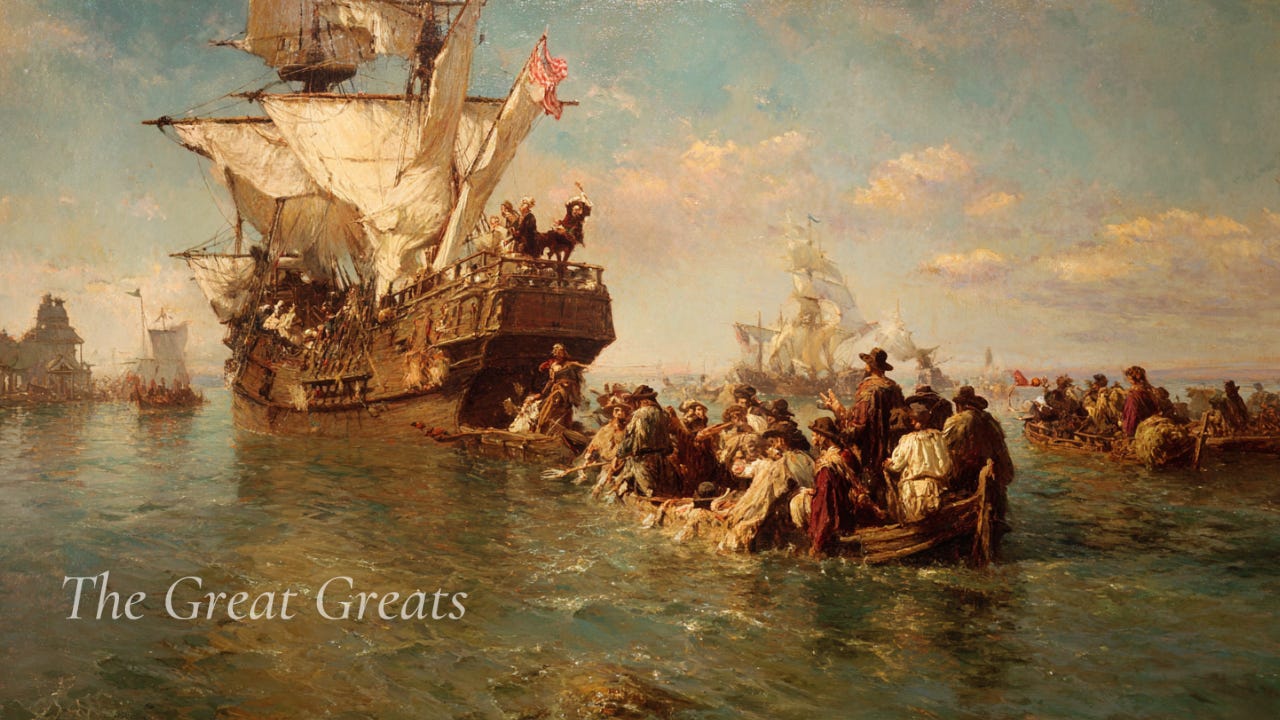
Picture this: It's 1620, and a man named Richard Pace steps off a ship onto the shores of Virginia. According to family lore, this ancestor of ours played a heroic role in saving Jamestown from massacre. While we can't verify every detail of this dramatic beginning, it sets the stage for a family story that would eventually wind its way through the hills of South Carolina.
The Carolina Connection
Fast-forward nearly 150 years to around 1765, when Daniel Pace 1 was born. His son, Daniel Pace 2, arrived in 1791 and married Sarah Revis in 1793. These early Paces were among the settlers carving out lives in what would become Pickens County, South Carolina.
From Farm to Factory: A Family Transformation
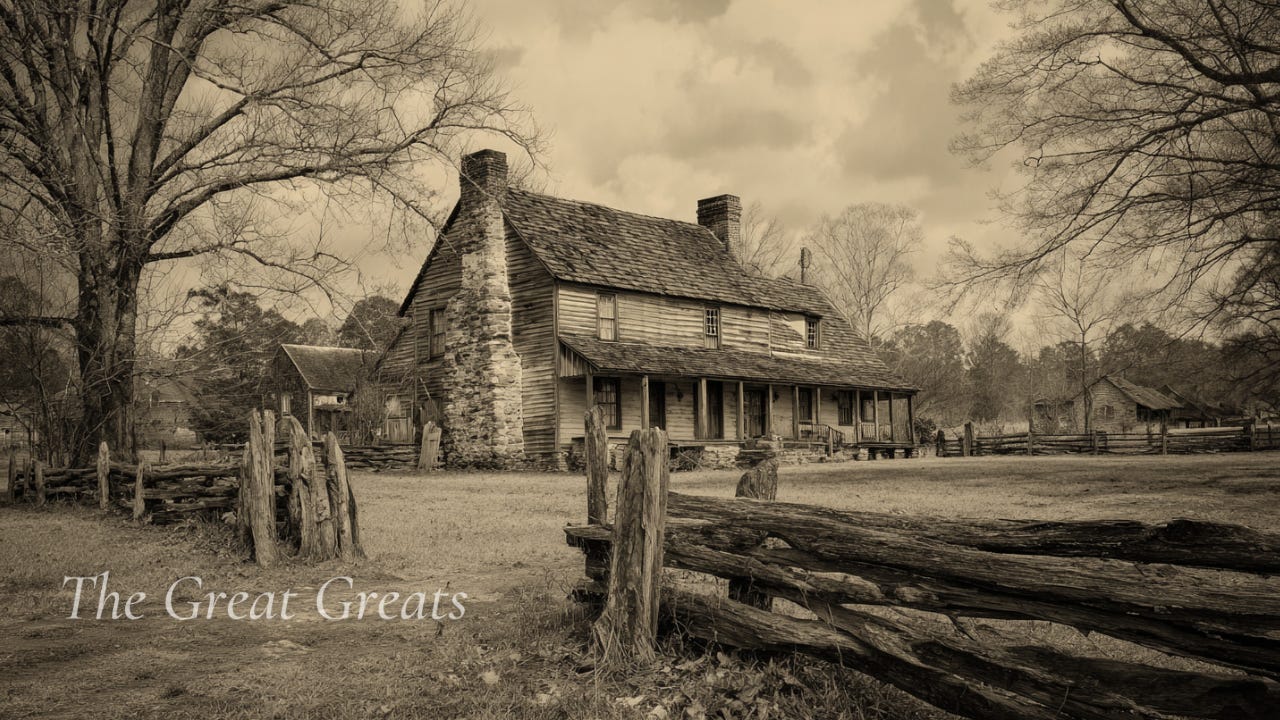
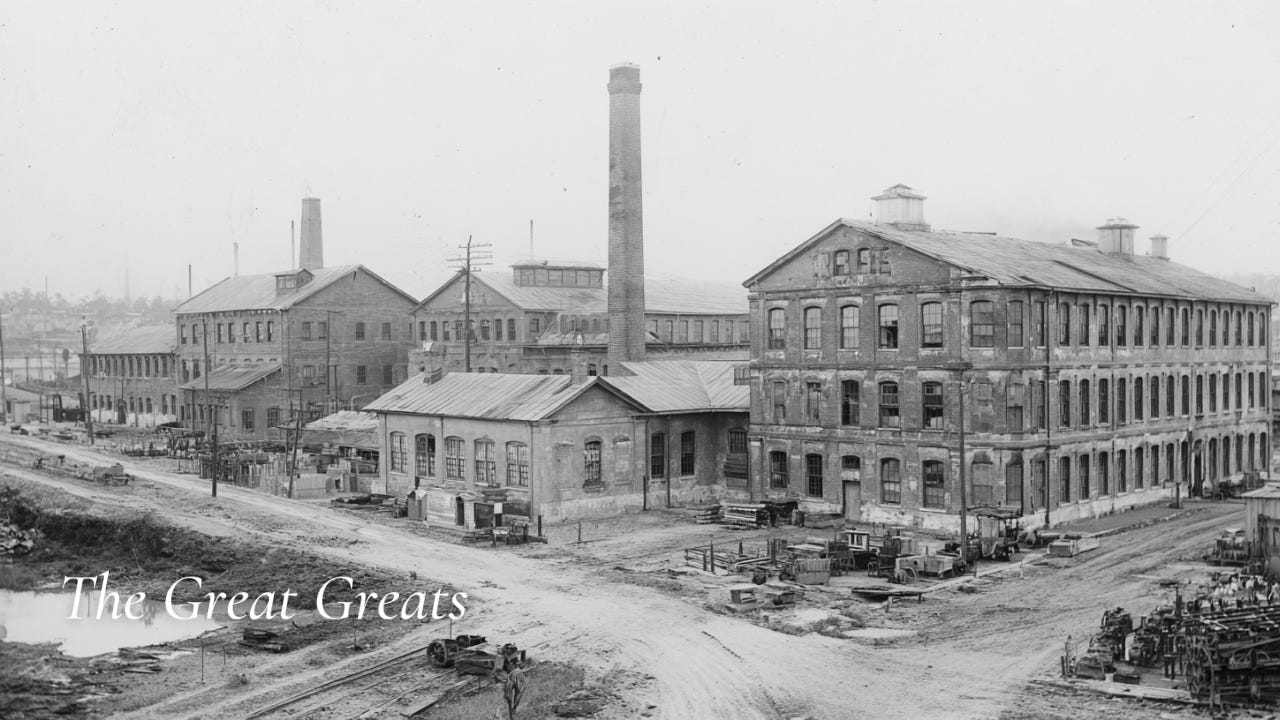
The most fascinating chapter of our story centers on Richard Frank Pace, born in 1871. He grew up on a farm 4-6 miles northeast of Pickens, between the town and Griffin Baptist Church. But Richard Frank's life took a dramatic turn in the summer of 1907 when the Pickens textile mill was completed.
Like so many rural families of that era, the Paces traded their farming life for the steady wages of mill work. Richard Frank moved his family to the mill village and worked there until retirement—a decision that would shape his daughter's entire life.
Kate's Story: A Child of the Mills
Richard Frank's daughter, Kate Pace, was born on December 3, 1900. Her story captures the reality of mill life in the early 1900s: she began working in the Pickens Mill at just 12 years old. Imagine a sixth-grader today heading off to work in a textile factory instead of to school!
On May 15, 1919, Kate married Jay Robert Edens. Their union would continue the family legacy and produce our Great Uncle John, who would become the family historian documenting these remarkable stories.
The Women Behind the Story
What makes this genealogy special is how it preserves the stories of the women—often lost in traditional family records. We meet Corrie Jones, Kate's mother, who lived from 1874 to 1958. Her mother, Larcia Ann Jones, spanned nearly eight decades from 1853 to 1930.
There's Angeline Childs, who lived exactly 80 years (1851-1931), and Ann Poole, who saw the turn of two centuries (1828-1909). Each of these women lived through incredible changes—from the Civil War era through the Industrial Revolution to the dawn of the modern age.
Mystery and Memory
Perhaps the most honest part of this family story is what our Great Uncle John didn't know. He admits, "I am somewhat limited in my knowledge of the Pace family" and about Sarah Revis, simply states, "I do not know her ancestry."
This honesty makes the story more authentic. Family history isn't always complete, and sometimes the gaps are as important as what we do know. These missing pieces remind us that every family has stories yet to be discovered.
A Legacy of Work and Perseverance
From Richard Pace potentially saving Jamestown to Kate Pace working in the mills at age 12, this family story is ultimately about survival, adaptation, and perseverance. It's about people who moved from farms to factories, who raised families through war and peace, who built the communities that shaped South Carolina.
The careful documentation of dates, places, and relationships shows how our Great Uncle John Edens preserved this story for future generations. In an age before digital records, Uncle John kept our family's oral histories alive through meticulous record-keeping and storytelling.
This family history reminds us that behind every name and date is a human story of courage, hard work, and hope for the future. The Pace family's journey from English shores to Carolina mills reflects the broader American story of immigration, settlement, and the endless pursuit of a better life.