


The historical migration and settlement patterns of the Forrester family offer a compelling case study in how families move across time and geography, driven by forces both personal and historical. Drawing from genealogical records spanning over a thousand years, several key themes emerge that illuminate not just the Forrester story, but broader patterns of human migration and settlement.
Ancient Roots, Endless Wandering
The Forrester saga begins in the misty origins of medieval Europe. With recorded history stretching back over a thousand years to Flanders, their ancestry weaves together the complex tapestry of European peoples—Celts, Normans, and Danes. The earliest documented ancestor, Anacher, died in Flanders in 837, establishing a bloodline that would prove remarkably mobile.
From these Flemish origins, the family's movements traced the great historical currents of their time. They crossed the English Channel with William the Conqueror after the Battle of Hastings, with branches settling at Etherstone and spreading throughout the British Isles. This pattern of following major historical movements—whether Norman conquests or colonial expansions—would define the family for centuries to come.
The Eternal Quest for Opportunity and Freedom
Perhaps no theme runs stronger through the Forrester migrations than their relentless pursuit of a better life. The journey to America exemplified this drive, as family members sought freedom from political control and, crucially, the opportunity to own land. In an era where land meant security, independence, and social standing, the promise of American soil proved irresistible.
This quest for opportunity wasn't limited to transatlantic voyages. Within the British Isles, younger sons—those unlikely to inherit family estates—consistently sought advancement through the clergy, law, or military service. They pursued "deeds of valor" that might earn titles and establish new branches of the family tree. The pattern reveals a family culture that valued initiative and wasn't content with inherited limitations.
Love of the Land
Across continents and centuries, the Forresters demonstrated what their chroniclers called a "love of the land" and a remarkable tendency to establish deep roots wherever they settled. This wasn't merely about farming—though many family members were indeed agriculturalists—but about a fundamental connection to place and soil.
In America, records show they "mostly settled on the land," creating homesteads and farms from Virginia to Pennsylvania. Even as they moved westward with the expanding frontier, they didn't simply pass through territories—they planted roots, built communities, and cultivated the earth. This agricultural sensibility, perhaps inherited from their origins in the fertile delta lands of Flanders, remained a defining characteristic across generations.
The Westward Pull
The American chapter of the Forrester story reveals a classic pattern of westward expansion. The first Forresters to reach America established themselves in four primary areas: Boston, Delaware, Virginia, and Pennsylvania. From these coastal footholds, subsequent generations pushed steadily inland.
As the coastal regions grew crowded and opportunities shifted, the family followed the great American migration westward. They navigated mountains, encountered indigenous populations, and pioneered new territories, spreading the Forrester name across the expanding United States. This westward movement wasn't random wandering—it was purposeful, strategic expansion following opportunity and available land.
Professional Diversity and Civic Engagement
The Forrester family tree branches into a remarkable diversity of professional pursuits. Far from being limited to any single occupation or social class, family members engaged across the full spectrum of colonial and early American society. They served as ministers and missionaries, doctors and teachers, lawyers and public servants, engineers and scientists, carpenters and masons, nurses and merchants.
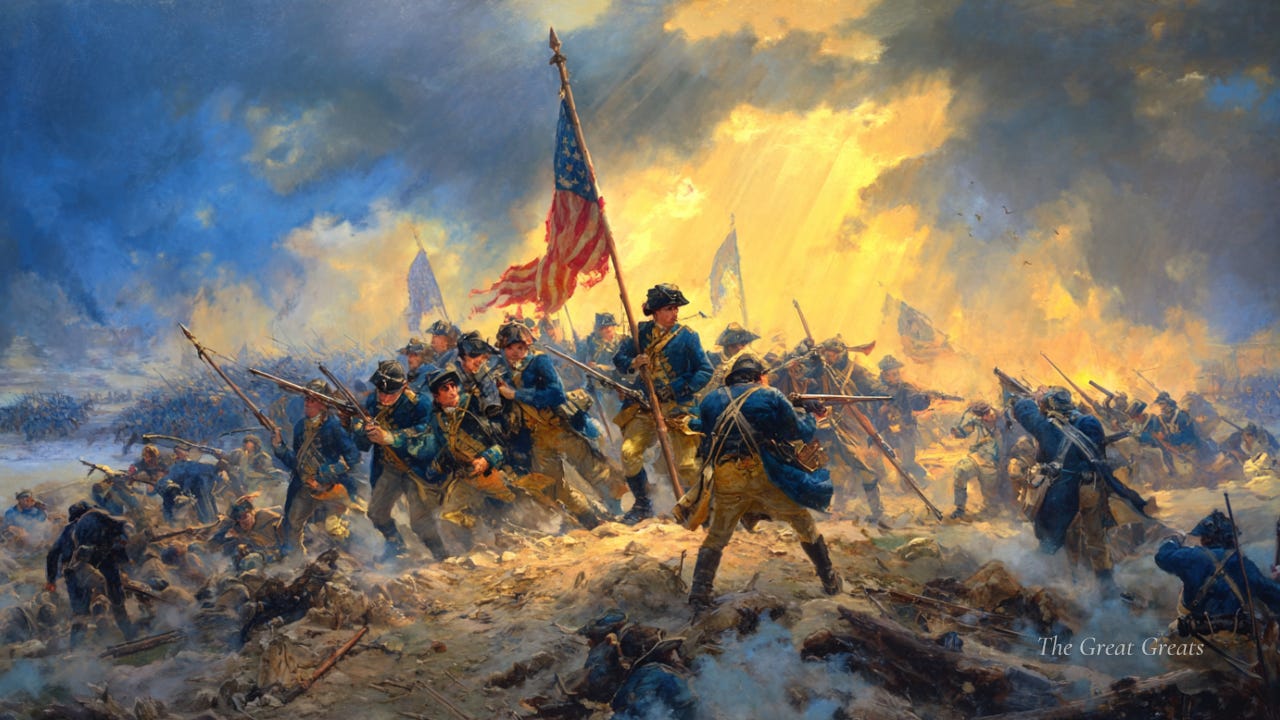
Their civic engagement proved equally broad. Forresters participated in major military conflicts from the Revolutionary War to World War II, often returning to resume civilian lives and family responsibilities. Some rose to prominence as bankers, industrialists, and educators. This professional diversity suggests a family culture that valued education, service, and adaptability—traits that served them well across their various migrations and settlements.
Remarkable Adaptability
Perhaps most striking about the Forrester migration story is the family's consistent ability to adapt to new environments and challenges. They successfully transitioned from the delta lands of Flanders to medieval England, from the British Isles to colonial America, and from coastal settlements to frontier territories.
This adaptability extended beyond geography to politics and society. When William Forrester faced expulsion from the Episcopacy of Scotland due to political changes, the family adapted rather than simply endured. They navigated the religious and political upheavals of their times, the challenges of pioneering new territories, and the constant demands of building communities in unfamiliar lands.
Preserving Memory, Honoring Legacy
The very existence of comprehensive Forrester genealogical records—documented in works like "HOUSE OF FORRESTER: A Chronological Listing Of FORRESTER GENEALOGY"—reveals a final key theme: the family's commitment to preserving and documenting their history. This wasn't casual record-keeping but deliberate, ongoing effort to maintain family identity across time and distance.
The authors note their work as "a continuous project," reflecting dedication to tracing ancestry and adding new information as it emerges. The careful attention to lineage—including restrictions on displaying the family coat-of-arms to direct descendants of arms bearers—demonstrates a strong sense of tradition and identity that persisted despite geographic dispersal.

Timeless Patterns in Human Movement
The Forrester migration story, spanning from 9th-century Flanders to modern America, illuminates timeless patterns in human movement and settlement. Their journeys were driven by opportunity, shaped by historical forces, and sustained by adaptability and resilience. Whether crossing the English Channel with Norman conquerors or traversing American mountain ranges in search of farmland, they embodied the restless human spirit that has shaped migration throughout history.
In studying the Forresters, we glimpse not just one family's remarkable journey, but the broader currents of human ambition, adaptation, and the eternal search for home in new places. Their story reminds us that every family history, properly examined, contains echoes of the great human themes that connect us across centuries and continents.
Source Note: This analysis draws from "HOUSE OF FORRESTER: A Chronological Listing Of FORRESTER GENEALOGY. Of Caucasian Descent," a comprehensive genealogical compilation documenting the Forrester family lineage. As noted by the authors, this work represents an ongoing project of ancestry research, with continuous efforts to trace family lines and incorporate new historical information. The genealogical record spans over a millennium, beginning with documented ancestors in 9th-century Flanders and following the family's migrations through Europe and eventual settlement in America. Readers interested in their own family genealogy research may find similar patterns of migration, professional diversity, and adaptation in their ancestral records.