


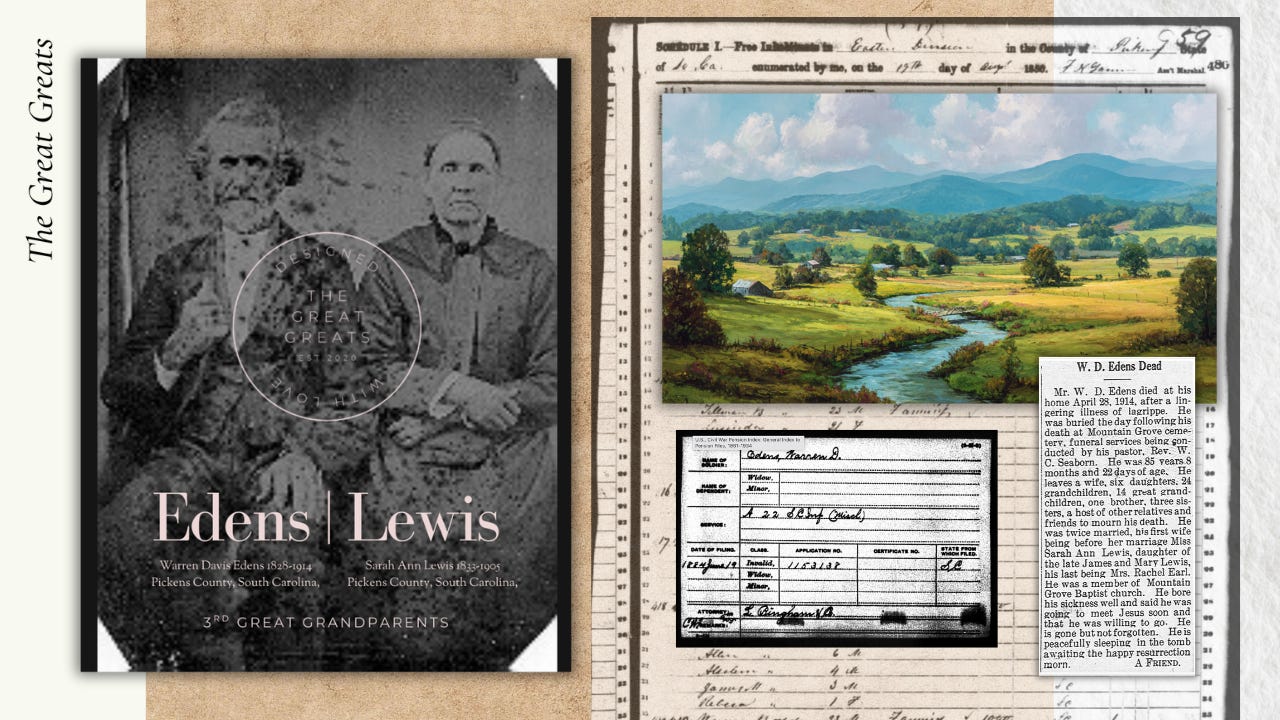
Warren Davis Edens was born on August 5, 1828, in the Oolenoy Creek section of Pickens County, South Carolina. Sarah Ann Lewis entered the world ten years later on August 14, 1838, in the same mountain county. Their paths would cross in marriage, creating a partnership that lasted over four decades and shaped the landscape of our family history.
From Soldier to Settler
When the Civil War erupted in 1861, Warren was 33 years old - a farmer with a young family and everything to lose. He served in Company A, 22nd South Carolina Infantry, carrying a musket through battles whose names have faded from family memory. He survived what many did not, returning home to Sarah Ann and their growing family in the mountains he'd left behind.
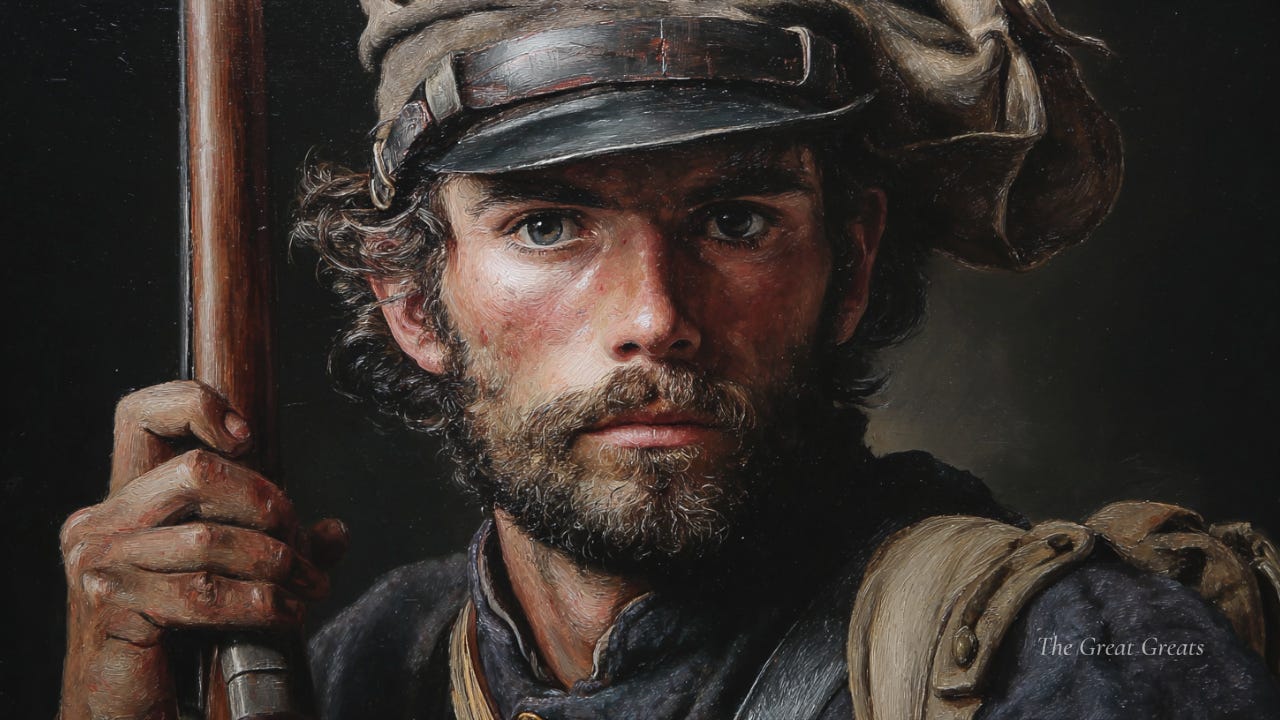
Twenty years after the war's end, Warren filed for his veteran's pension on June 19, 1884. By then, he had transformed from soldier back to farmer, from survivor to patriarch of a thriving mountain homestead.
Building an Empire in the Foothills
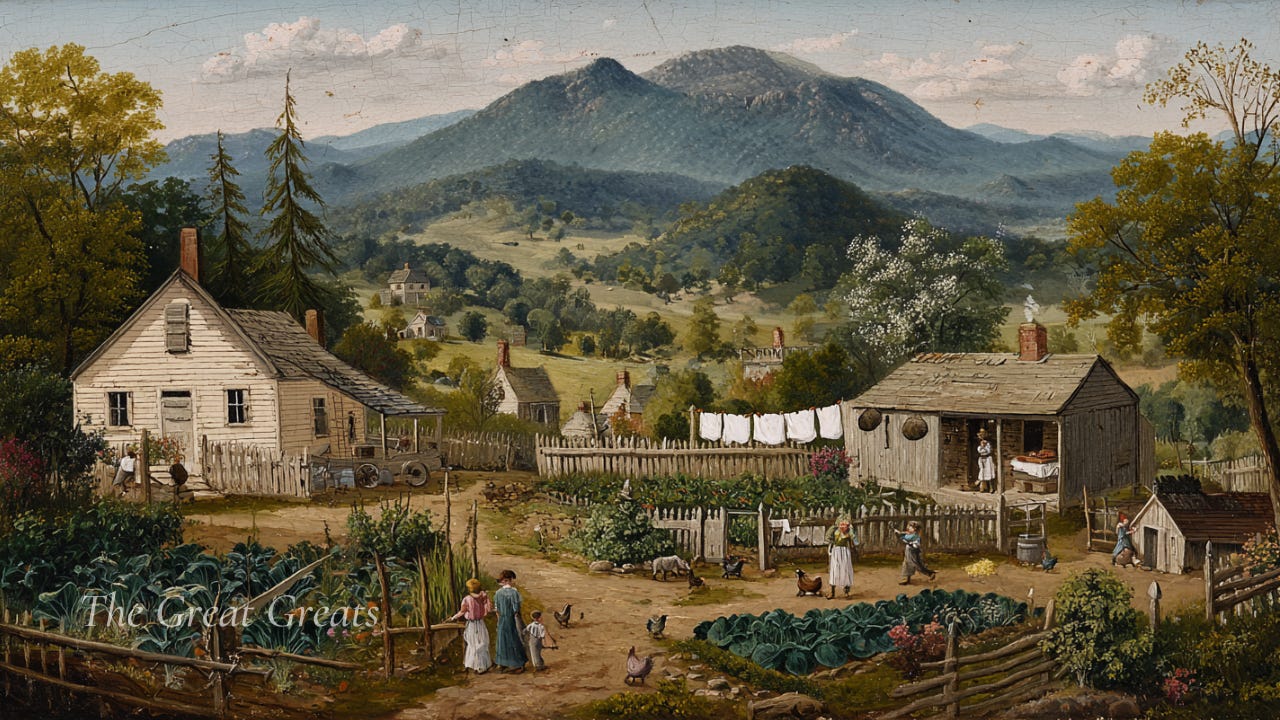
Warren's vision extended far beyond simple survival. When he married Sarah Ann Lewis, he gained more than a wife - he gained opportunity. Her father, James Lewis, granted Warren 300 acres on a branch of Twelve Mile River in 1855. This land, originally part of a grant to Joab and Abner Lewis, sat near Mountain Grove Baptist Church, roughly six miles from what would become the town of Pickens.
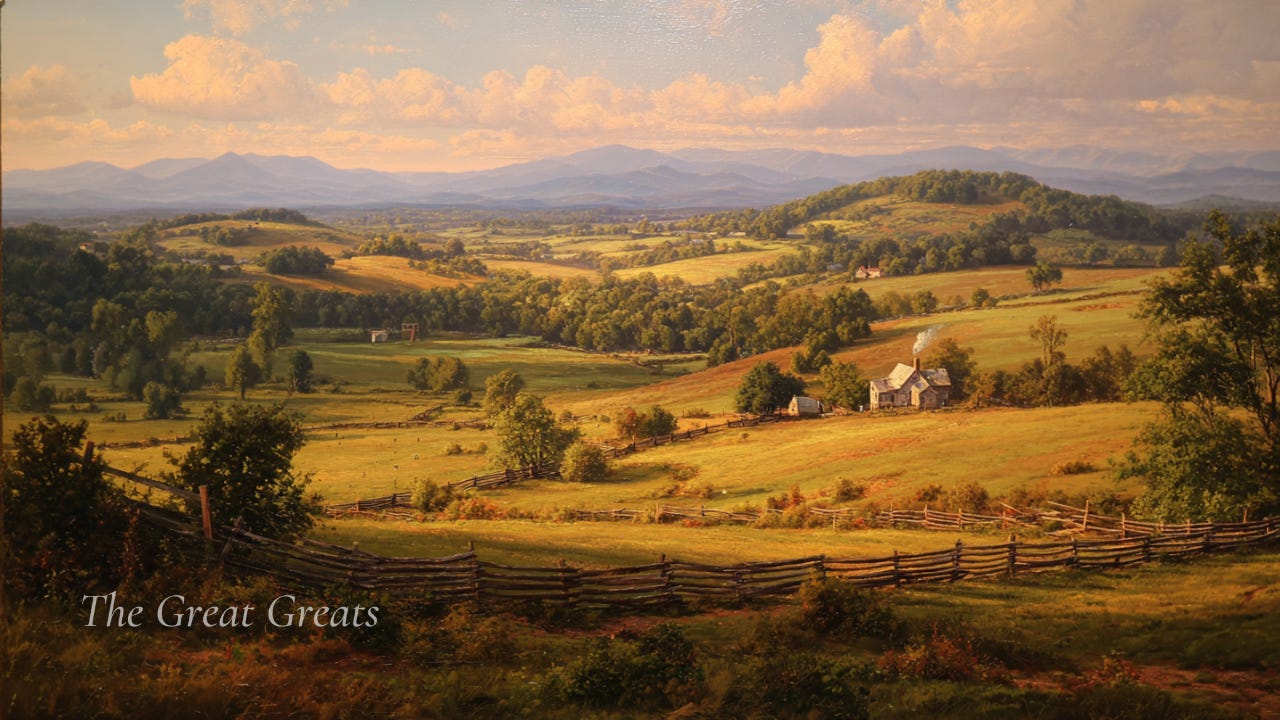
But 300 acres was just the beginning. Warren had an eye for land and the determination to acquire it:
In 1885, he purchased 227 acres on Oolenoy Creek from Margaret Edens, widow of his brother Alexander
In 1886, he bought 900 acres on the Saluda River
He added 65.5 acres on Twelve Mile River
In 1900, he acquired 184 acres on Adams Creek
By the time he was finished, Warren had assembled over 1,300 acres of Carolina mountain land - an empire built from sweat, vision, and careful investment.
Sarah Ann: Partner in Building a Legacy
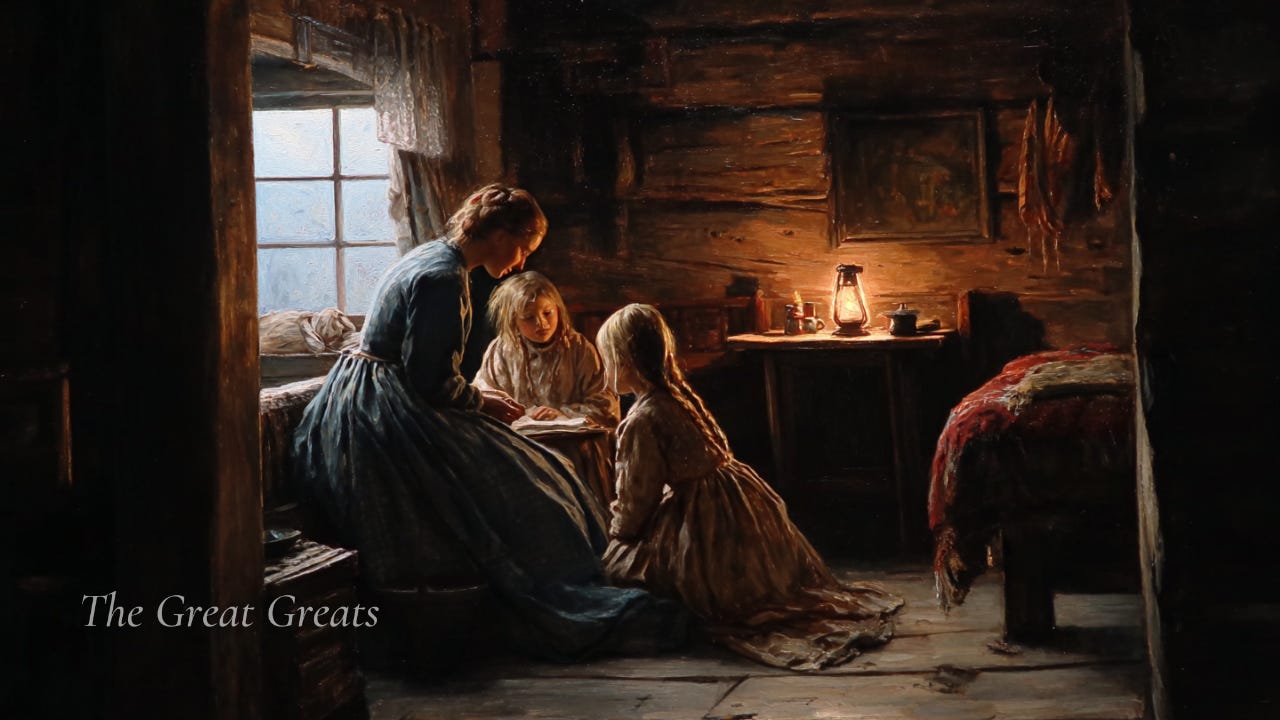
Sarah Ann was far more than a frontier wife waiting at home. She bore and raised seven children in the mountain wilderness: Mary Elizabeth, Malicia Catherine, John Davis, Ella, Evaline, Jane, and Malinda Alice. On December 30, 1865 - just months after the Civil War ended - she joined the Oolenoy Baptist Church, anchoring the family in faith and community.
While Warren accumulated land, Sarah Ann built the home that made it meaningful. She managed a household where the nearest neighbors were miles away through mountain trails, where children were born without doctors, and where survival depended on self-sufficiency and determination.
The Legacy Farm
In 1896, when Warren was 68 years old, he made a decision that secured his family's future. He gave the original 300-acre farm - the foundation of his empire - to his son John Davis Edens. This wasn't just a land transfer; it was the passing of a legacy. Three generations of Edens men would be born on that mountain farm: John Davis himself, his son Jay Robert Edens, and eventually John Davis Edens II.
A Love That Lasted Decades
Warren and Sarah Ann were married for over 40 years, building not just a farm but a dynasty in the South Carolina mountains. When Sarah Ann died on January 17, 1904, at age 65, Warren was 75 years old. Even then, he wasn't finished living - he remarried a woman named Rachel sometime between 1904 and 1908, proving that life and love continue at any age.
Warren died on April 28, 1914, at the remarkable age of 86. He was buried beside Sarah Ann in Mountain Grove Baptist Church Cemetery, the same church where she had declared her faith nearly fifty years earlier. He had outlived his son John Davis by just three months, but his legacy was secure - written in the land deeds of Pickens County and carried forward in the generations that followed.
The Photograph
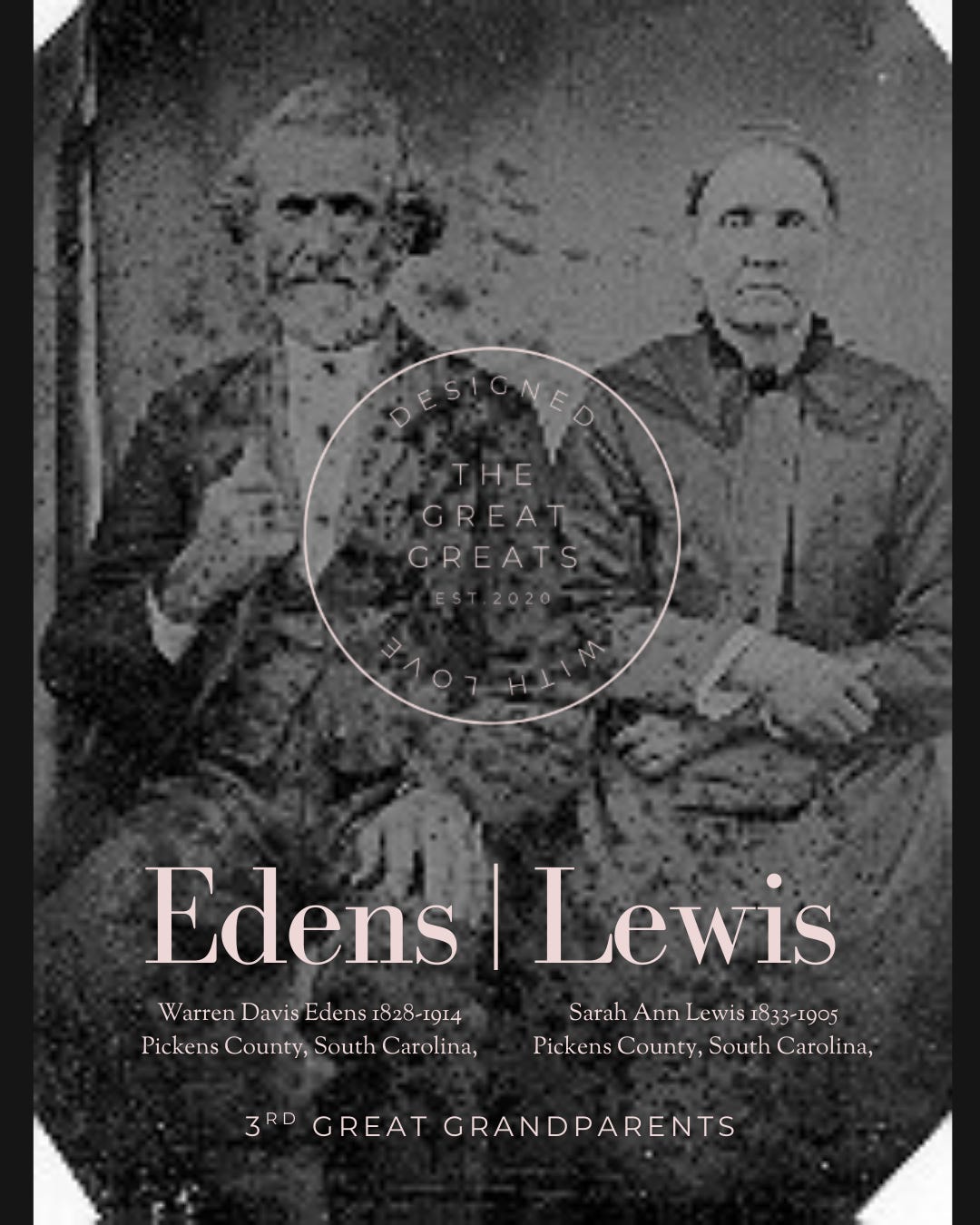
This image captures Warren and Sarah Ann in their later years - faces weathered by mountain living, eyes that had seen war and peace, prosperity and hardship. Warren sits with the quiet dignity of a man who built something lasting. Sarah Ann, beside him, carries the strength of a woman who raised seven children in frontier conditions and waited through a war for her husband to come home.
These weren't just survivors; they were builders. The 300 acres Warren received in 1855 became the foundation for a family legacy that stretched across generations. In their faces, we see the determination that transformed raw mountain land into home, that built something permanent in an impermanent world.
This research wouldn't be possible without the incredible work of my Great Uncle John Edens, who spent years documenting our family's Southern roots. His dedication to preserving these stories means future generations will know where they came from. Next week: The mysterious story of what happened to Warren's brothers during the Civil War.